

Reborn in Sayulita
Jonathane Cupido didn’t come to Mexico looking for a new life. He came looking for a reason to keep the one he had.
Jonathane Cupido arrived in Sayulita at one of the lowest points of his life — and found, over years he couldn’t yet imagine, healing in Sayulita he hadn’t known to look for.
He had left a country where he no longer felt at home — not just geographically, but in the deeper sense of belonging somewhere, of recognizing himself in the life he was living. For years he had been carrying depression, trauma, and a widening sense of displacement. When he finally decided to leave, it wasn’t with a plan or a destination in mind.
“More than anything,” he says, “I was searching for a reason to keep going.”
Sayulita was not a cure. The first year was brutal. He spent all of his savings. There were moments he genuinely didn’t know if rebuilding was possible. He describes that period now with a kind of hard-won clarity: like walking through several circles of his own personal hell.
Then, slowly, something began to change.
“I came here trying to escape a life that no longer felt like mine, and I found an opportunity to be reborn.”
What Sayulita Offered
What Jonathane received first was not healing in Sayulita as he would come to understand it. It was people. Extraordinary ones, he says. People who offered kindness and presence when he had very little strength left to ask for either.
Then came the practices. Energy work. Alternative healing approaches. Ways of looking at suffering and recovery that he had never encountered growing up, ways that treated the human experience of pain not as something to be fixed or suppressed but as something to be witnessed, understood, and gradually metabolized.
He had arrived somewhere with no wellness background, no training, no intention of becoming a practitioner. He was simply trying to survive. But the tools that were helping him survive began to interest him. He wanted to understand them more deeply. And then, almost organically, he wanted to offer them to others.
He began studying yoga. He became a certified teacher. He trained in different forms of energy healing. What had started as personal survival became, through healing in Sayulita, a vocation.
What He Offers Now
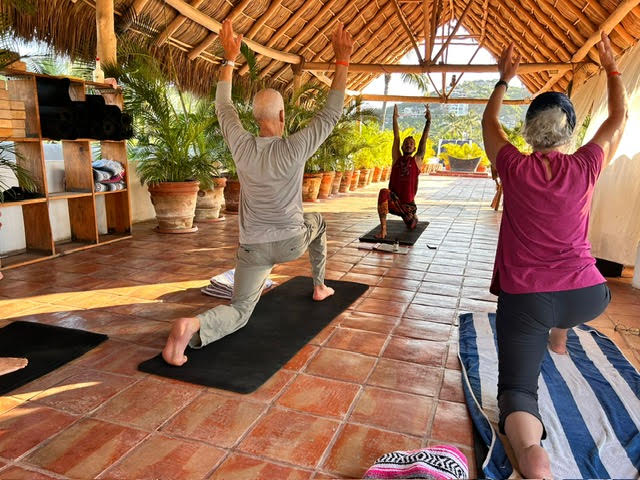
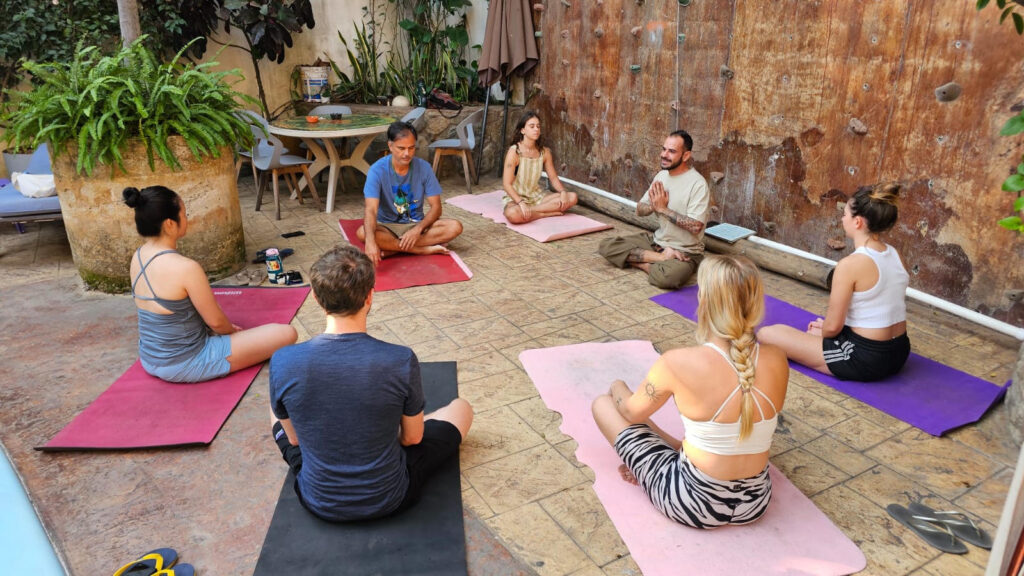
Today, Jonathane teaches yoga classes, organizes retreats, and offers healing in Sayulita to people going through difficult passages— stress, loss, emotional pain, the particular kind of suffering that comes from feeling disconnected from yourself.
His yoga practice is rooted in Hatha and Vinyasa, certifications he earned when the practice began to transform him. He deepened that foundation through Ashtanga, working through the Primary Series with the kind of commitment that comes from knowing exactly what the practice can hold. But he does not teach from a fixed system. He adapts — to the person in front of him, their body, their level, their needs. If someone arrives wanting to understand a Sun Salutation for the first time, that is where they begin. If they are ready to go deeper, he knows the way.
His energy healing work centres on the chakra system. He is a certified Reiki Master, and also trained in Access Bars and Access Facelift — energetic modalities that work with the body’s energetic field to release patterns that have become stuck. Like his yoga teaching, the energy work adapts to whoever has arrived. The system is a framework, not a formula.
His retreats are primarily multi-day experiences, most of which he organises independently. When the work calls for it, he collaborates — with Julie, a fellow Reiki Master and EnForma practitioner, and with Itzel, a Sayulita-based yoga teacher. The collaboration is not incidental. It reflects the same principle that runs through everything he does: that healing is rarely a solitary offering.
He is careful about how he describes what he does. He does not claim to heal anyone. The language he reaches for is quieter than that: presence, listening, tools. The same things that helped him when he was at his lowest.
“I simply try to offer the same presence, listening, and tools that helped me when I was at my lowest,” he says. There is no performance in this. No guru posture. Just someone who has been in dark places and came back with something worth sharing.
“Healing is not a destination. It is a lifelong journey.”
A Brother In The Background
Running alongside Jonathane’s own story is another one, quieter but persistent. His brother is autistic, and though they live far apart now, Jonathane continues to support him from a distance. That relationship has shaped him as a practitioner in ways that formal training never could.
It taught him patience — real patience, the kind that doesn’t perform. It taught him to observe carefully, to look past the surface of what someone is presenting and pay attention to what is actually happening underneath. And it reminded him, again and again, that some of the deepest struggles in a person’s life are entirely invisible to the people around them.
That awareness informs everything he does in a session. He is not waiting for the obvious. He is listening for what isn’t being said yet.
On Suffering, Quietly
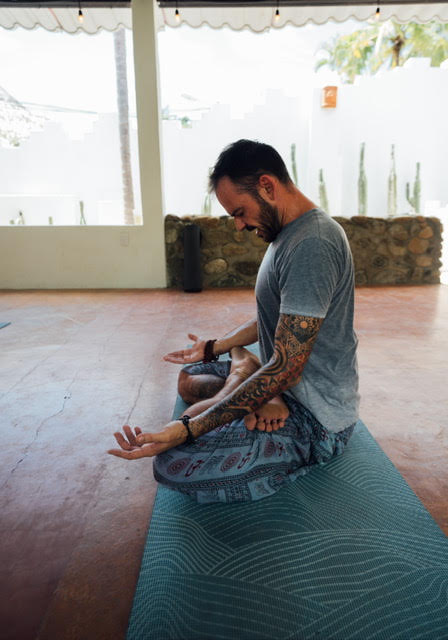
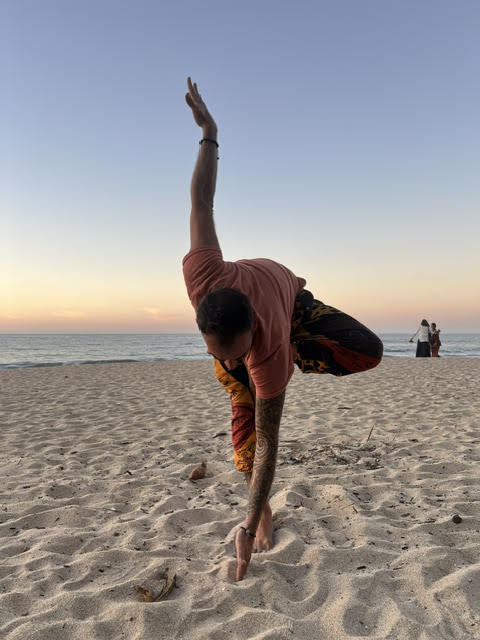
Jonathane describes himself as someone who observes a lot. Who makes mistakes, like everyone, but who tries to learn from them. Who does not believe that healing has an endpoint.
His own traumas are still part of his story. He doesn’t deny them or claim to have outgrown them. What has changed is their weight. They no longer define him. He has walked through very dark places, he says, and come back with a deeper understanding of both himself and the people who come to him.
The people he most wants to reach are the ones suffering in silence. Not the people who have already found wellness, already built the morning routine, already know what a sound bath is. He wants to reach the ones who are where he was: not knowing if rebuilding is possible. Not yet able to imagine what coming back might feel like.
“My goal today,” he says, “is to try to help the people who cross my path so that, in turn, they may be able to help someone else. And if, after a session with me, someone leaves feeling just a little better, then I am already deeply grateful.”
The light he received in Sayulita — from the people who held him when he had nothing left — he does not keep. He passes it on. And he trusts that whoever receives it will do the same.
“Life here taught me that community, simplicity, and human connection often matter far more than the things we own.”
What Sayulita Made Possible
There is something Jonathane says about Sayulita that stays with you. Not that it saved him — he is too precise, too honest for that kind of claim. But that it gave him a place where starting over was possible. Where the social fabric was loose enough to let someone arrive broken and tight enough to hold them while they mended.
He found community here. He found simplicity. He found that healing in Sayulita looked nothing like what he had expected, and everything like what he needed. He found that the things he had spent years accumulating and protecting mattered far less than an afternoon conversation with someone who actually saw him.
That shift, from acquisition to presence, from isolation to community, is now the core of what he teaches. Not as theory. As lived experience.
He came to Sayulita looking for a reason to keep going. He found something rarer: a reason to begin again.
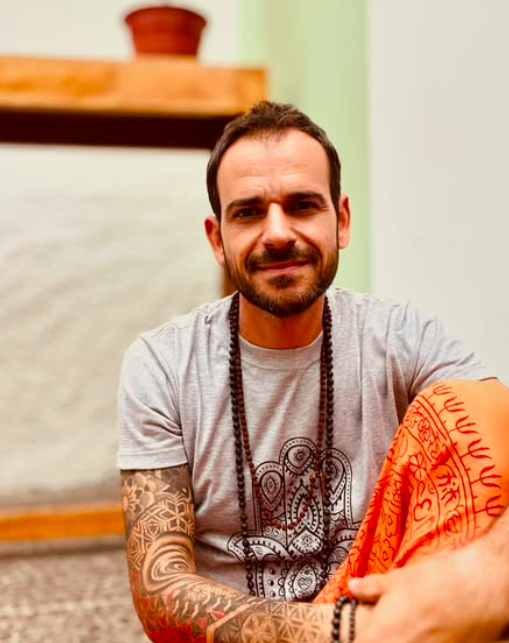
Jonathane Cupido offers healing in Sayulita as a certified yoga teacher (Hatha, Vinyasa, and Ashtanga) and Reiki Master. He also works with Access Bars and Access Facelift as energetic healing modalities.
He teaches private and group classes, leads multi-day retreats, and works one-on-one with people navigating stress, loss, grief, and emotional disconnection.
Find Jonathane on the EnForma Wellness platform and book a session or class through the EnForma app.
EnForma was born in Mexico. Not inspired by it, not transplanted here — born here, in the salt air and slow mornings and something harder to name that this country does to the people who stay. Raíces is our way of introducing you to the people who know that feeling best: the practitioners who came to Mexico and never left, who built their practices here, who found in this land a deeper expression of the work they were already called to do. Each post in this series is a conversation — about healing, about Mexico, about what it means to root yourself somewhere and let that place change you.

