

What Is Breath Work — And Why Is Everyone Talking About It?
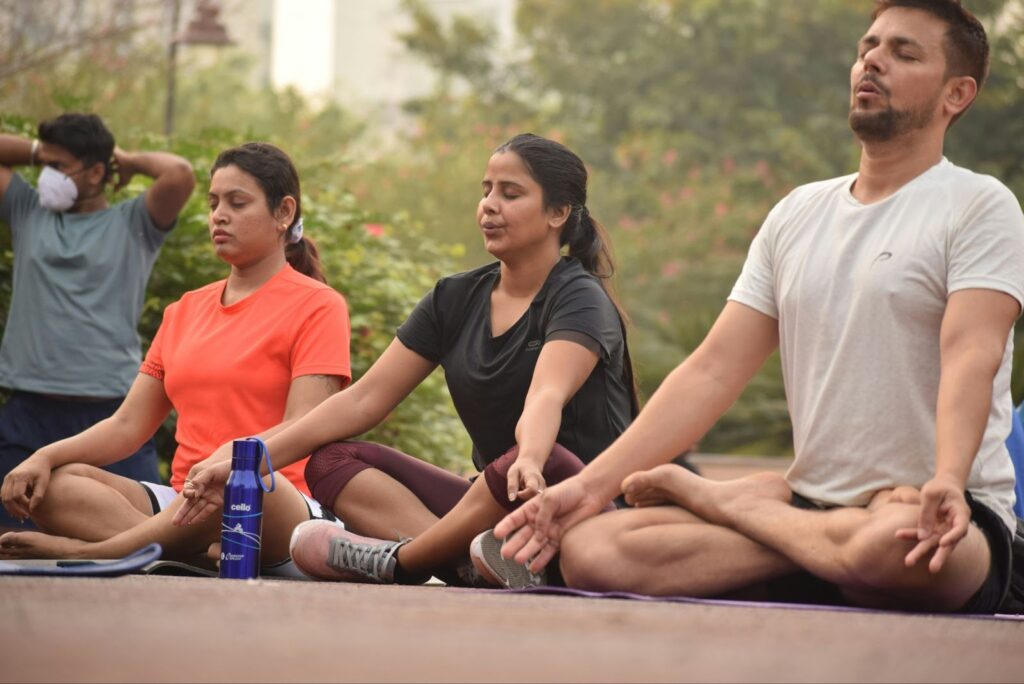
Somewhere between a yoga class and a therapy session, between ancient ritual and modern neuroscience, something is quietly changing the way people relate to their own bodies. It happens on a mat, under a palapa, beside the ocean, in candlelit studios and open-air jungle spaces. It requires no equipment, no prior experience, and sometimes, no words at all. It’s breath work, and if you’ve been hearing about it everywhere. And there’s a very good reason for that.
What Is Breath Work, Exactly?
At its most essential, breath work is the intentional use of breath to shift physical, emotional, and mental states. It’s an umbrella term that covers a wide range of techniques — from simple box breathing and diaphragmatic exercises to longer, more immersive practices involving sustained rhythmic breathing for 20 minutes to an hour or more. What unites these techniques is the foundational idea that the breath is not just a biological function, but a tool for transformation.
People have understood this for millennia. Pranayama, the yogic science of breath, dates back thousands of years in the Indian tradition. Taoist breathing practices, Sufi breath work, and indigenous ceremonial uses of breath are woven through cultures across the world. What’s new is that Western science has caught up — and the research is validating what practitioners have long known.
The Science Behind the Practice
During a sustained breath work session, the rapid or rhythmic breathing pattern causes what’s known as respiratory alkalosis , which is a temporary rise in blood pH as carbon dioxide is exhaled in larger quantities. This shift in blood chemistry triggers a cascade of physiological responses: calcium ions bind to blood proteins, sensory neurons fire more actively, and the body enters a state of heightened awareness. That familiar tingling in the hands, the feeling of lightness or emotional release mid-session — this is the science behind what can feel like magic.
The autonomic nervous system is also engaged. Breath work stimulates a release of epinephrine, which research, including a landmark 2014 study from Yale School of Medicine, suggests can modulate the immune system’s inflammatory response. Simultaneously, the brain’s oxygen supply shifts, blood vessels constrict, and the brain enters altered brainwave states not unlike those seen in deep meditation. The result? A natural, endogenous shift in consciousness that many people describe as the most profound experience they’ve had without any substance at all.
Why Everyone Is Talking About It Now
Breath work has gone from fringe to mainstream not because of a trend, but because of a need. Anxiety, burnout, trauma, and nervous system dysregulation are at historic highs. People are looking for practices that meet them where they are. Practices that offer real results without requiring years of meditation mastery or expensive clinical interventions. Breath work does both. It’s accessible on day one and continues to deepen with practice.
It also bridges worlds. Therapists are integrating breath work into trauma-informed care. Athletes use it for performance and recovery. Retreats that once centered on yoga are now building full programs around breath. Wellness travelers are increasingly seeking it out as a cornerstone of their healing experiences in places like Mexico, where the richness of land, culture, and community creates the ideal container for this kind of inner work.
Types of Breath Work You Might Encounter
Not all breath work is the same, and different styles serve different needs:
Clarity Breathwork™ — A connected, circular breathing pattern designed to release stored emotional material and support personal transformation. Often done lying down with music, it creates space for deep catharsis and insight.
High Ventilation / Holotropic-style Breathwork — Sustained, rhythmic breathing that activates the sympathetic nervous system, alters brainwave states, and opens access to the subconscious. Powerful for emotional release, energetic clearing, and spiritual awakening.
Trauma-Informed Breathwork — A gentler, nervous-system-aware approach that uses conscious connected breathing to facilitate healing without overwhelm. This is especially valuable for those with complex trauma histories.
Box Breathing & Pranayama — Structured, controlled techniques drawn from yogic traditions. Excellent for daily regulation, focus, and stress management.
Integrative Breathwork — Often woven into broader healing sessions alongside Reiki, somatic work, sound healing, or bodywork, creating a whole-body approach to wellness.
Find a Breath Work Practitioner in Mexico with EnForma
One of the most beautiful things about breath work is how it adapts to place. In Mexico’s most vibrant wellness destinations, you’ll find facilitators who bring extraordinary depth, training, and heart to this practice. Here are four we trust completely.

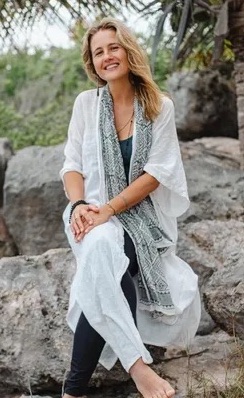
Galareh is a 600-hour GBPA-certified Breathwork Facilitator and BioField Medicine Practitioner. She brings a rare fusion of scientific rigor and deep intuitive healing to every session. Her High Ventilation Breathwork and Trauma-Informed Breathwork offerings are integrated with Reiki, sound and frequency medicine, acupressure, and psycho-spiritual guidance. Gal creates a whole-body, whole-self experience grounded in both neuroscience and ancestral wisdom.
For those seeking genuine transformation in the lush heart of Nayarit’s coast, Gal’s work is singular.
Breathwork Tulum — Tulum
Led by certified Clarity Breathwork™ practitioner Sabine Binns, Breathwork Tulum offers personalized retreats, group sessions, and 1-day immersive experiences designed for those navigating life’s transitions. She addresses burnout, grief, major change, or simply the desire to reconnect with themselves.
Sabine’s approach weaves somatic tools alongside breath work to create sessions that are held with care, precision, and deep compassion. Her upcoming Retreat Riviera Maya 2026 is already drawing interest from wellness seekers across the world.
Tobias Heinrich — Puerto Escondido
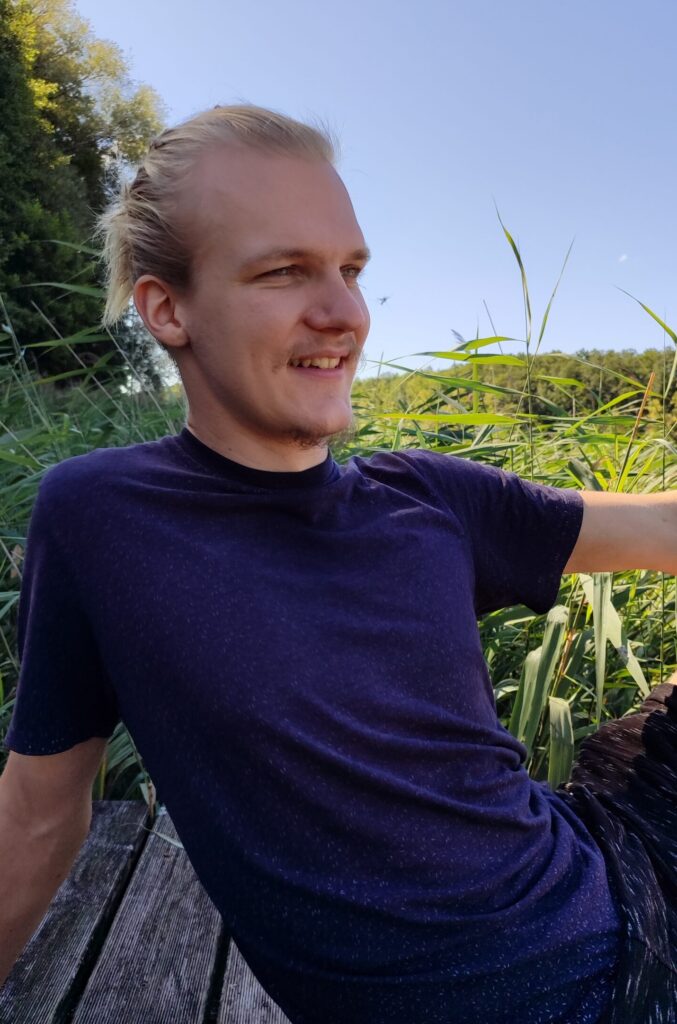
Rooted in foot reflexology and a holistic understanding of the body as a gateway to wholeness, Tobias Heinrich brings breath work into a rich, multi-layered healing context.
Drawing on training in Reiki, Ayurveda, shamanic healing, and tantric relational work, his breath work classes are offered individually or in groups. They are designed to release stored tension, open the body, and cultivate inner clarity. Whether you’re a first-time visitor or a long-term resident of Puerto Escondido’s Oaxacan coast, Tobias meets you with sincerity and skill.
Dr. Bonnie Rae — San Miguel de Allende
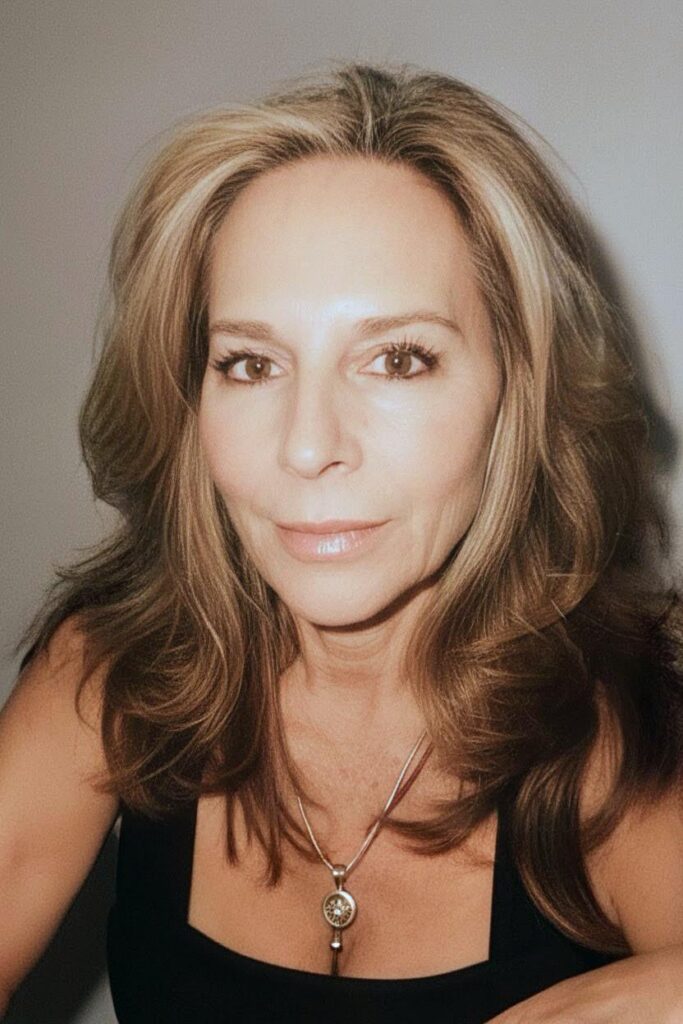
The breath begins in the body — and sometimes, the obstacles to breathing well are structural. Dr. Bonnie Rae at BeRaediant Dental Med Spa takes a uniquely integrative approach to oral health, orofacial pain, TMJ dysfunction, and obstructive sleep disorders, all of which can profoundly disrupt the quality and ease of your breath.
If you’ve struggled with jaw tension, nighttime grinding, sleep apnea, or chronic facial pain, understanding and addressing these root causes is foundational to any breath work practice. Dr. Bonnie’s compassionate, whole-person approach makes her an essential part of San Miguel’s integrative wellness landscape.
Beginning Your Breath Work Journey
You don’t need to travel to begin. A few slow, conscious breaths — four counts in, four counts hold, four counts out — can shift your nervous system in under a minute. But if you’re ready to go deeper, to experience what breath work can unlock when held by a skilled facilitator in a place of beauty and intention, then Mexico is calling.
Explore the full breath work offerings and practitioner directories for Sayulita, Tulum, Puerto Escondido, and San Miguel de Allende on the EnForma Wellness platform. Download the free EnForma app to browse the live calendar, connect directly with practitioners, and plan your next healing experience.
The breath has always known the way. Sometimes you just need someone to help you listen.
Discover breath work practitioners and wellness experiences across Mexico’s most vibrant destinations — all on the EnForma Wellness App.

