

What Happens While You Sleep
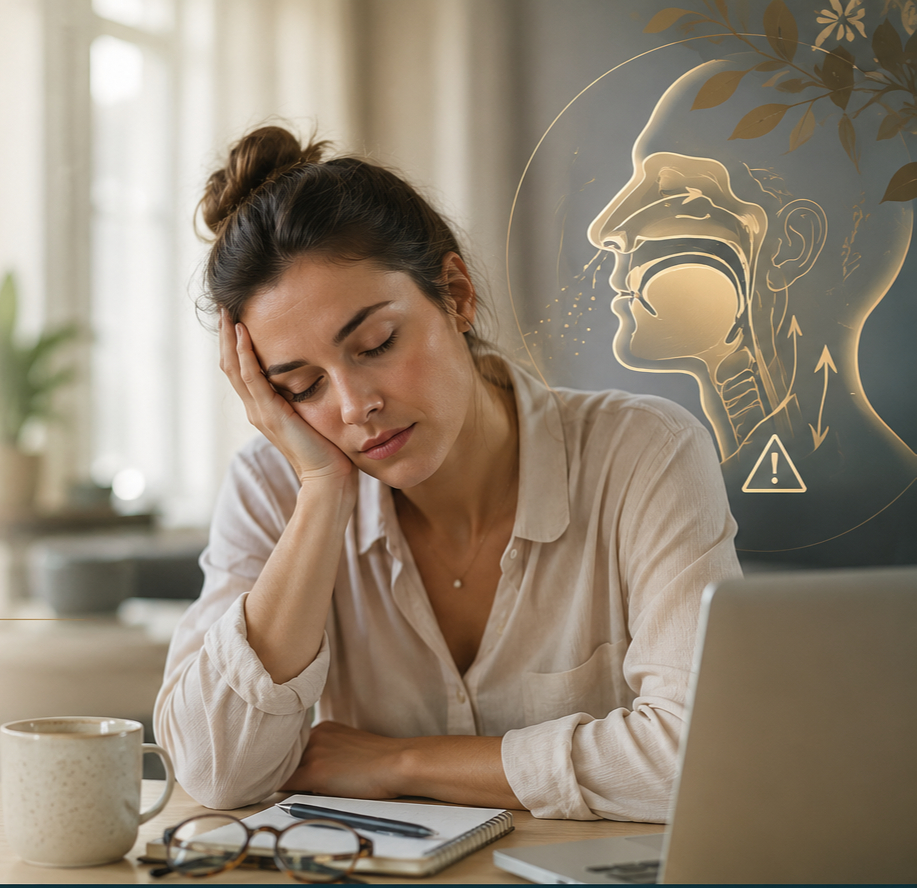
An at-home sleep study in San Miguel de Allende, one ring, your own bed, and answers to the questions your nights have been asking.
There is a particular kind of tiredness that coffee doesn’t touch. You go to bed at a reasonable hour, sleep what should be enough, and still wake up feeling as if the night never happened. Maybe a partner has mentioned the snoring. Maybe the mornings start with a dull headache, or the afternoons dissolve into a fog you’ve learned to work around.
Most of us treat these as the background noise of a busy life. Sometimes they are. But sometimes they are the body’s way of pointing at something that happens only after the lights go out.
Dr. Bonnie Rae of BeRaediant Dental Med Spa, a longtime member of the San Miguel de Allende community, now offers a way to find out without a night in a sleep lab. She took her time introducing the study, researching the best options available in Mexico before bringing one to her practice.
When the Night is a Problem
Obstructive sleep apnea occurs when the airway narrows or closes during sleep, causing breathing to pause or become shallow, often many times an hour. The sleeper rarely knows it’s happening. What they notice is the aftermath: snoring, waking several times a night, waking unrefreshed, brain fog, morning headaches.
Sleep apnea is also linked with many common (but not normal) health conditions, including high blood pressure, diabetes, anxiety and depression, and it can go undiagnosed for years.
To see what a clear airway looks like during sleep, watch Dr. Bonnie’s short animation of normal breathing.
That last point about going undiagnosed is the reason a study matters. You can’t observe your own sleep, and how you feel in the morning is only a clue. To understand what’s really going on, you need data from the night itself. Hence the at-home sleep study.
One Ring, Your Own Bed
Traditionally, that data came from an overnight stay in a sleep lab: an unfamiliar room, a tangle of wires and sensors, and the strange task of trying to sleep normally while being watched.
Dr. Bonnie’s at-home sleep study takes a gentler approach. You sleep in your own bed wearing a comfortable, lightweight, FDA-cleared ring on your finger. No wires, no masks. Through the night, the ring records your blood oxygen saturation, pulse and movement, along with each apneic event: every time your breathing stops or becomes shallow, and for how long.
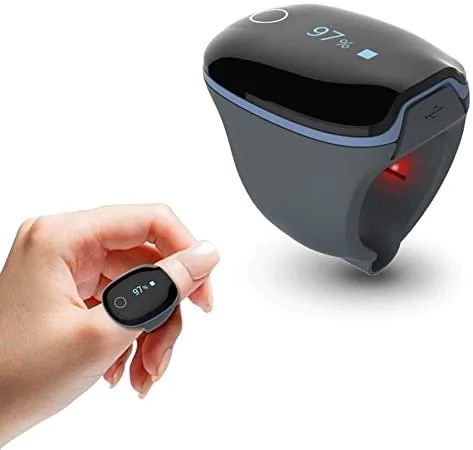
You pick up the ring at the BeRaediant clinic, where the team walks you through how to use it, has you sign a short device agreement, and tells you when to bring it back. Then you go home and go to sleep.
If you already use a CPAP machine, the study can also show whether your treatment is doing its job, a useful check for anyone who has been on CPAP for a while and still doesn’t feel rested.
The study is for adults, and you choose how many nights to wear the ring:
1 night — $2,500 MXN
2 nights — $3,700 MXN ($1,850 per night)
3 nights — $4,500 MXN ($1,500 per night), best value
Sleep changes from night to night, so more nights give a fuller, more reliable picture of your patterns.
Who Reads Your Results
The ring gathers the data. Doctors interpret it. Your results are reviewed by a sleep physician (MD) and a qualified sleep dentist (DMD), and every report is signed by the attending physician. The diagnosis comes from them.
Your results consultation with Dr. Bonnie is included in the price of the study. In it, she explains what the at-home sleep study found. A central number is your Apnea-Hypopnea Index, or AHI: how many times per hour your breathing stops or becomes shallow for 10 seconds or more. As a general guide:
- Mild: 5 to 14.9 events per hour
- Moderate: 15 to 29.9 events per hour
- Severe: 30 or more events per hour
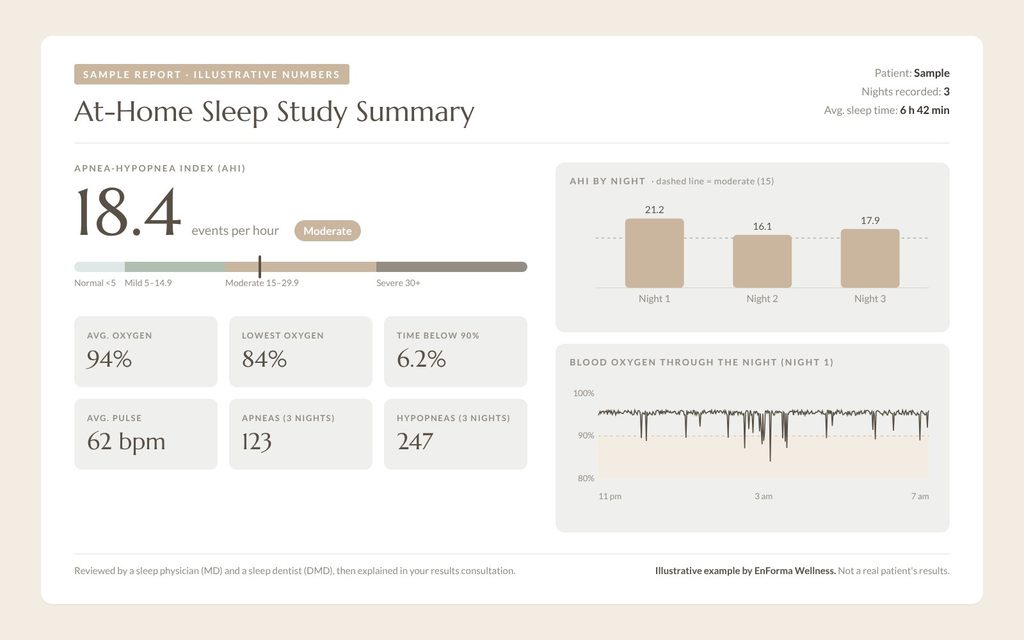
Seeing your own number tends to turn a vague worry into something concrete you can act on.
What Comes Next
If the study points to sleep apnea, there are two well-established paths.
CPAP is the standard of care in sleep medicine. A small bedside machine delivers a steady flow of air through a mask or nasal pillows, keeping the airway open through the night. It works well for many people, though some find it hard to sleep with.
Dental sleep medicine offers alternatives, including for people who can’t tolerate CPAP. For some patients, a ready-made oral appliance is a quick first step. It holds the lower jaw slightly forward, gives the tongue more room and encourages nasal breathing. Others are candidates for custom appliances, designed either to manage the condition night by night or to address the structure of the jaws and airway over time.
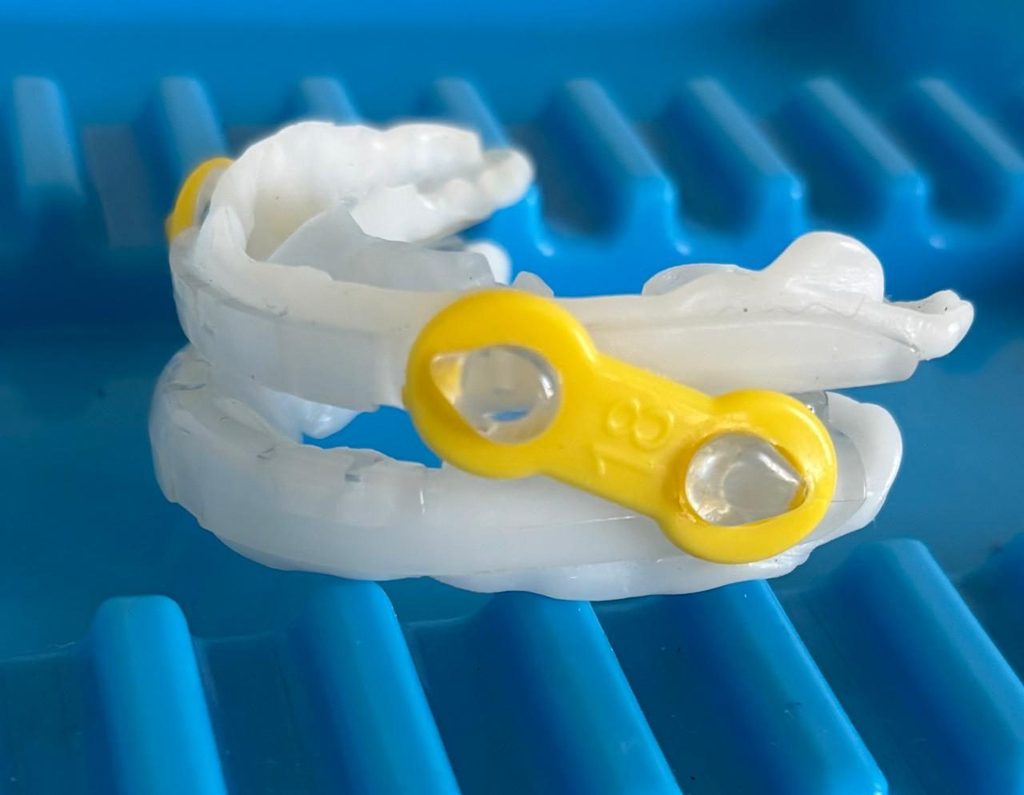
Among these are the Vivos DNA and mRNA appliances, which hold FDA 510(k) clearance as Class II medical devices: the DNA appliance for snoring and mild-to-moderate obstructive sleep apnea in adults, and the mRNA appliance for moderate and severe obstructive sleep apnea in adults. Rather than only holding the jaw in place, they are designed to gradually guide the upper and lower arches, making more room for the tongue and the airway.
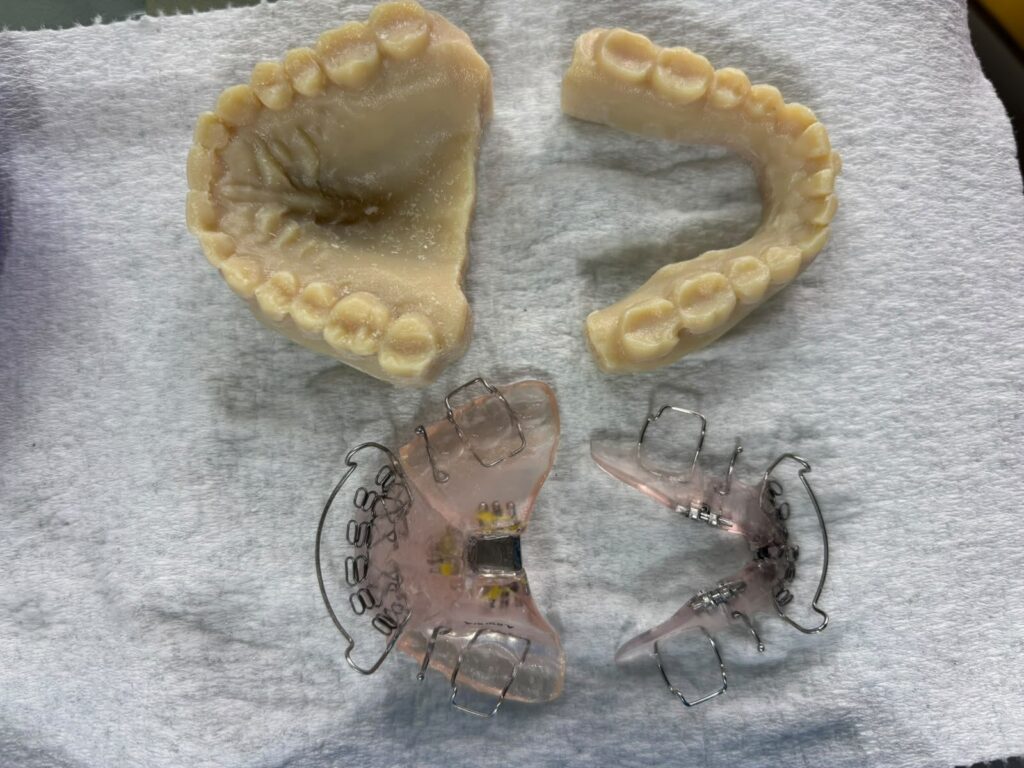
This is where Dr. Bonnie’s background in dentistry and orofacial medicine comes in. An oral appliance is only as good as the diagnosis behind it and the design built around your anatomy. The workup is thorough: a comprehensive head-and-neck exam, extra- and intra-oral photos, digital dental scans, and CBCT imaging of the nasal, oral and cervical structures, which gives a 3D view of your airway. From there she builds a personalized plan around your anatomy and physiology.
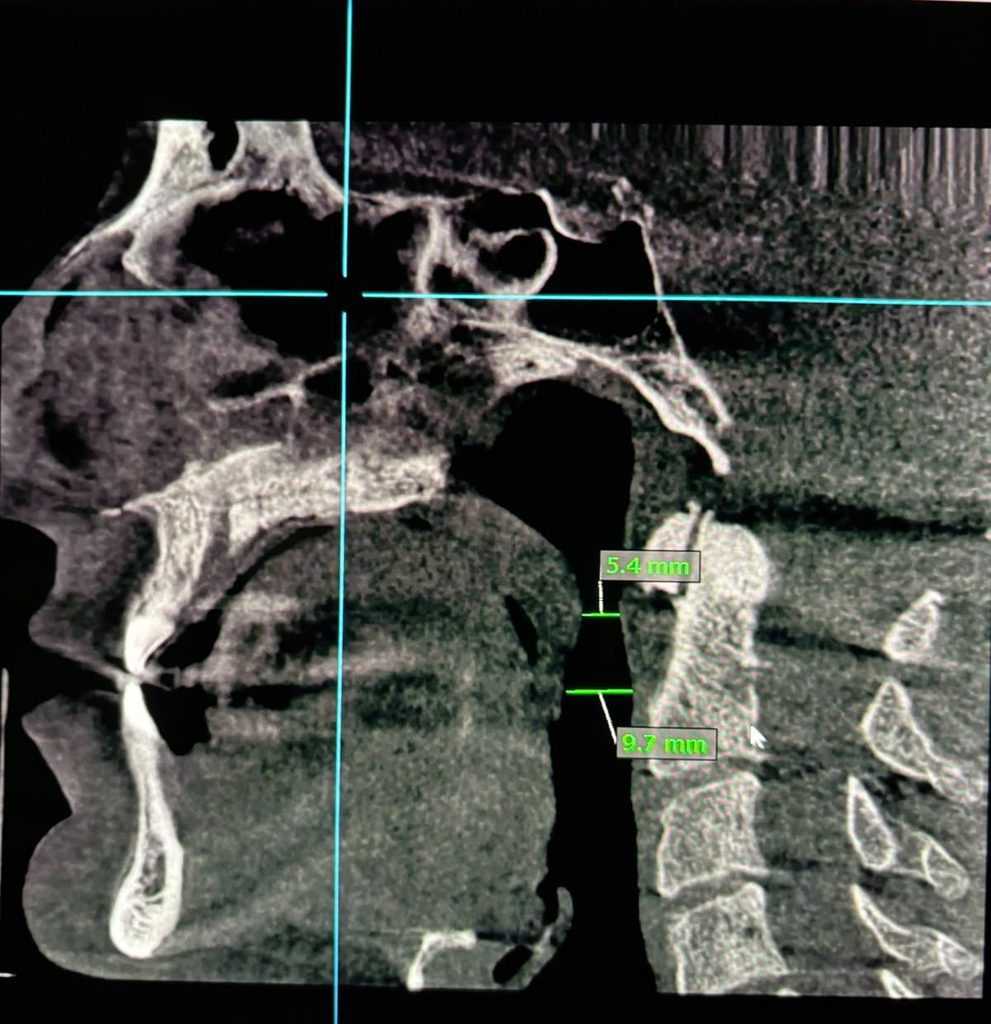
Which path suits you depends on the findings: your results, your health and your preferences. That conversation happens with her directly.
Why a Dentist?
People are often surprised to find sleep care at a dental practice. It makes more sense than it first appears. The airway, the jaw and the structures of the mouth are deeply connected, and a dentist trained in sleep medicine is well placed to see how they interact.
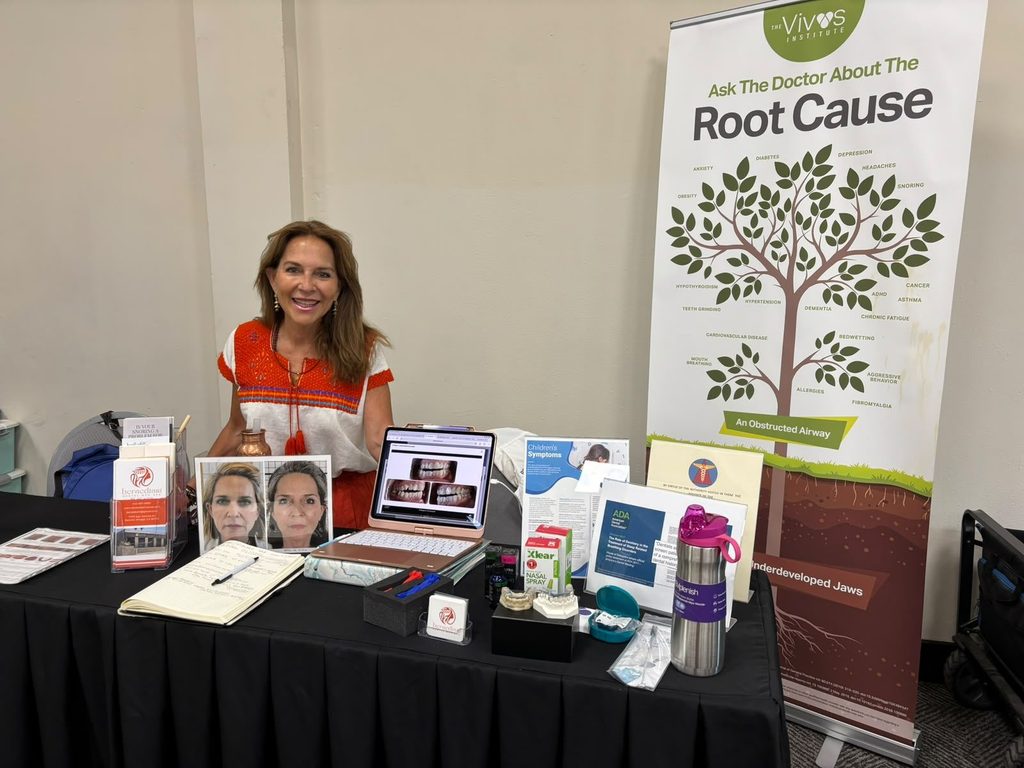
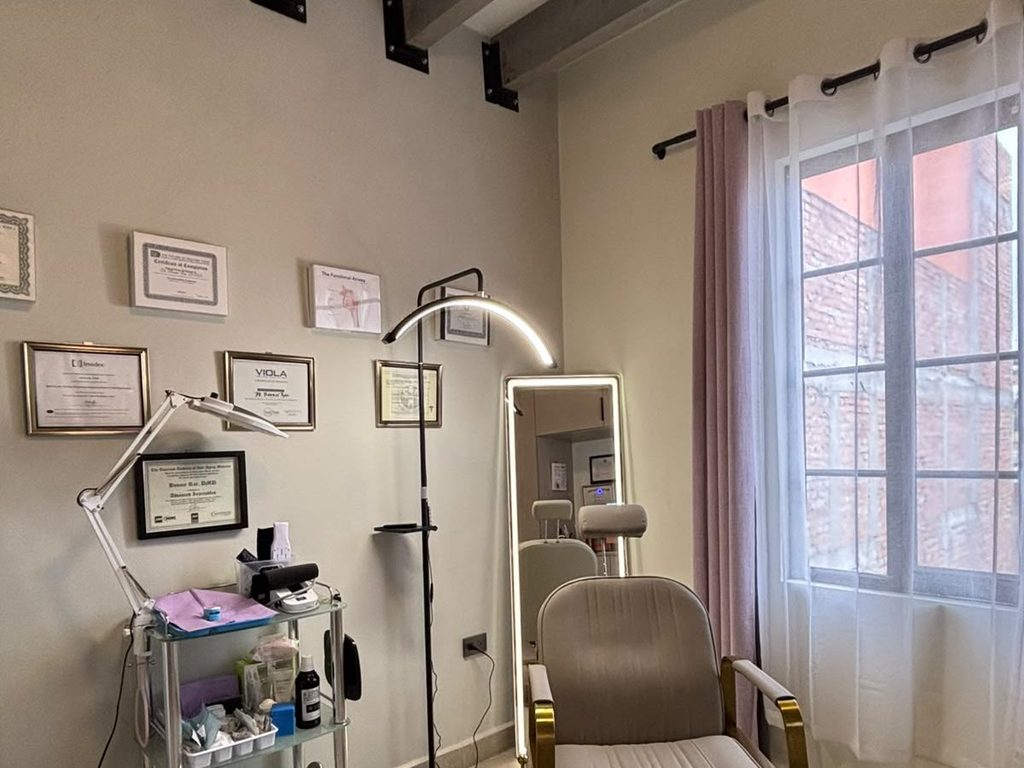
Dr. Bonnie earned her DMD at the University of Connecticut School of Dental Medicine and has practiced for three decades. She trained in occlusion and TMJ with the late Dr. Peter Dawson and at the Pankey Institute, and later pursued advanced study in how the mouth and face connect to whole-body health, including obstructive sleep apnea. At BeRaediant, she brings dentistry, orofacial medicine and sleep care together under one roof, so the person explaining your results is also the person who can design an oral appliance if you need one. She also speaks Spanish.
Rest as a Foundation
In a town that draws people for its light, its pace and its long, slow evenings, it’s easy to think of wellness as something you do during the day: a yoga class, a massage, a walk up to the jardín. But so much of how we feel by daylight is decided in the dark. Good sleep is not a luxury layered on top of a healthy life. It is the ground the rest of it stands on.
If your nights have been leaving you more tired than they should, a study is a simple, low-effort place to start. You do the easiest part. You go to sleep.
Book Your Sleep Study
Not sure a study is right for you yet? Dr. Bonnie offers a complimentary consultation by video, phone or in person, where you can talk through your symptoms and questions first.
To book your at-home sleep study or consultation, visit Dr. Bonnie Rae’s EnForma profile and book through the EnForma app. Explore more San Miguel practitioners in our alternative therapies directory.
This article is for general information and isn’t a substitute for medical advice. Talk to a qualified clinician about any sleep concerns.

