


Top Global Wellness Trends in 2026 and What They Mean for Mexico
The wellness industry continues to evolve rapidly, reflecting shifts in global consciousness, technology, and lifestyle. In 2026, wellness is no longer a luxury—it’s a necessity. From mental health tech to regenerative travel, the industry is expanding into new, deeply integrated areas of life. But while these trends are global, their expression is deeply local. Read on to discover the top wellness trends in 2026, specifically in Mexico.
Mexico, with its rich heritage of healing, natural beauty, and growing health-conscious population, is uniquely positioned to embrace and adapt the wellness trends of 2026. Whether you’re a wellness practitioner, entrepreneur, or conscious consumer, this year offers exciting possibilities.
Let’s dive into the most important global wellness trends of 2026—and how they’re showing up across Mexico.
Mental Wellness Goes Mainstream—With a Tech Twist
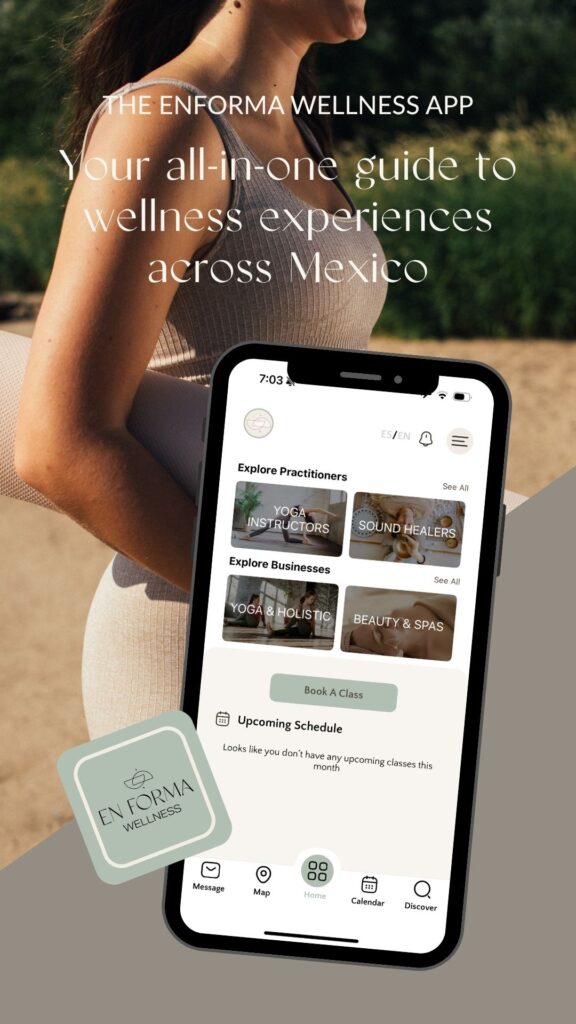

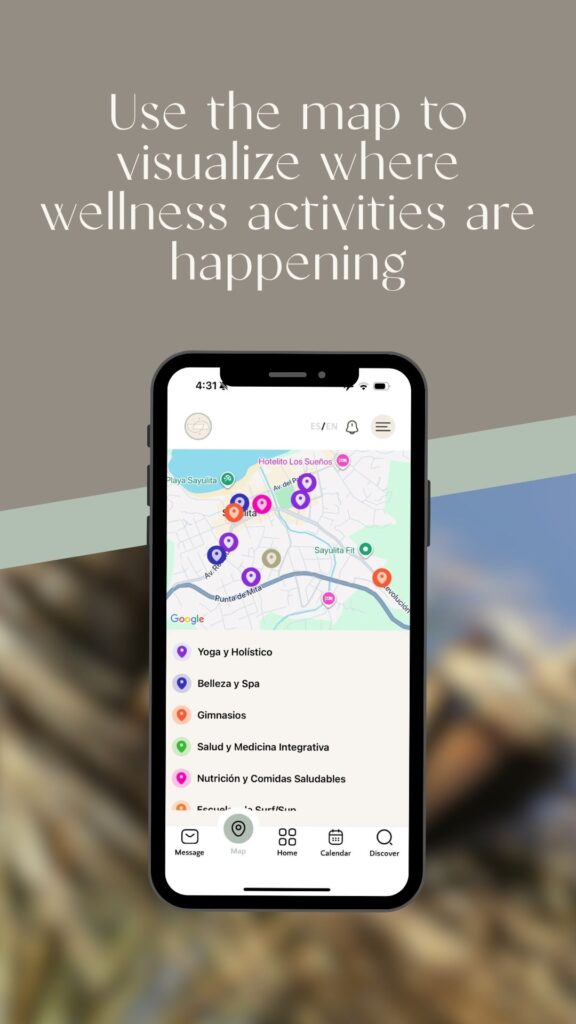
Globally, mental wellness is front and center, with 2026 seeing a surge in digital therapeutics, AI-powered mood tracking, and VR-based relaxation tools. Apps now use biometric feedback (via smartwatches or even smart rings) to offer personalized meditation and nervous system regulation.
In Mexico, there’s rising interest in mindfulness-based practices, not just in urban areas like CDMX and Guadalajara, but also in smaller wellness hubs like San Miguel de Allende, Tulum, and Valle de Bravo. These towns are attracting mental wellness retreats that combine local traditions—like temazcal ceremonies or plant medicine circles—with modern approaches to emotional well-being.
Opportunity: Wellness centers in Mexico can bridge modern tech and ancestral practices to offer holistic mental health experiences that resonate with both locals and wellness travelers.
Regenerative Wellness & Nature Healing
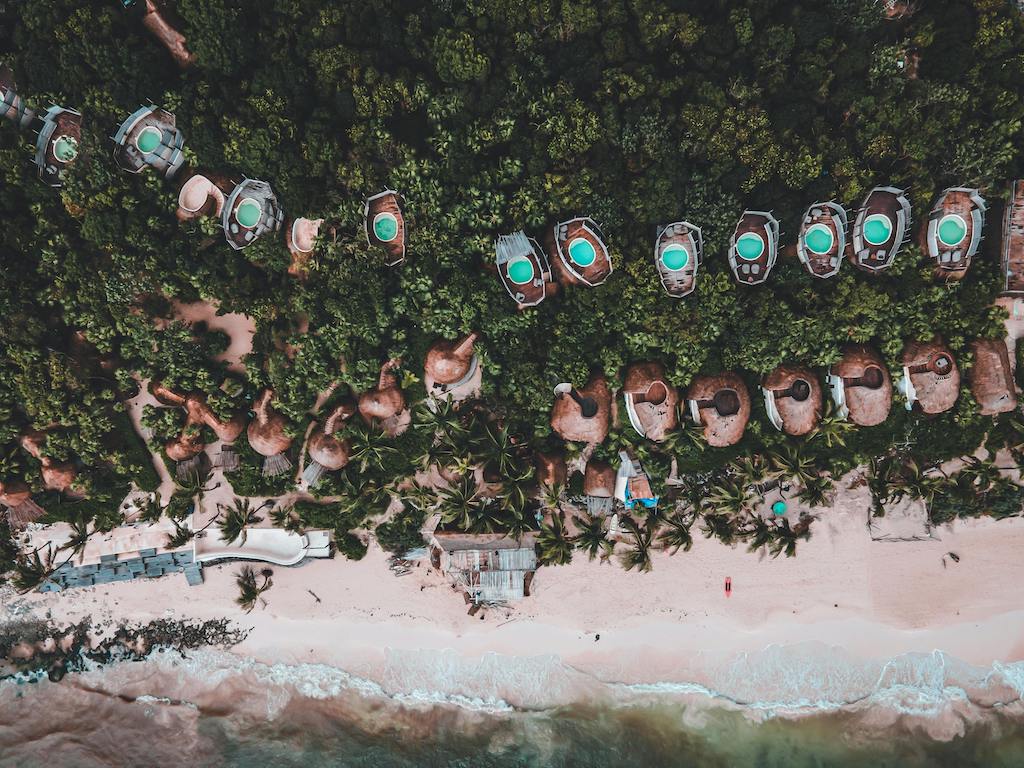
The industry has moved beyond sustainability—2026 is about regeneration. This means giving back more than we take, whether that’s through eco-restorative architecture, permaculture-based nutrition, or healing in natural settings that promote biodiversity.
Mexico’s biodiverse ecosystems—jungles, deserts, mountains, and oceans—are becoming wellness sanctuaries. Resorts and retreat centers are increasingly using biophilic design, solar power, and local materials like clay and bamboo to build spaces that promote healing for people and the planet.
For example, in Baja California Sur and Oaxaca, we’re seeing growth in “eco-luxury” experiences that offer wellness programming rooted in connection to land and local culture.
Personalized, Precision Wellness

Advances in genomics, gut health, and wearable technology mean that wellness is getting more customized than ever. People expect tailored nutrition, movement, and recovery programs based on their DNA, microbiome, or metabolic data.
While this trend is strongest in countries like the U.S., U.K., and Japan, Mexico’s private health and wellness sector is starting to catch up. Clinics and wellness centers in places like Monterrey, Mexico City, and Querétaro are beginning to offer personalized nutrition and fitness plans, sometimes integrating ancestral knowledge like Ayurveda or traditional herbal medicine into high-tech solutions.
Tip for practitioners: Offering intake forms or digital assessments in both English and Spanish can make services more inclusive and accessible for the growing wellness tourism market.
Wellness Tourism & Cultural Immersion
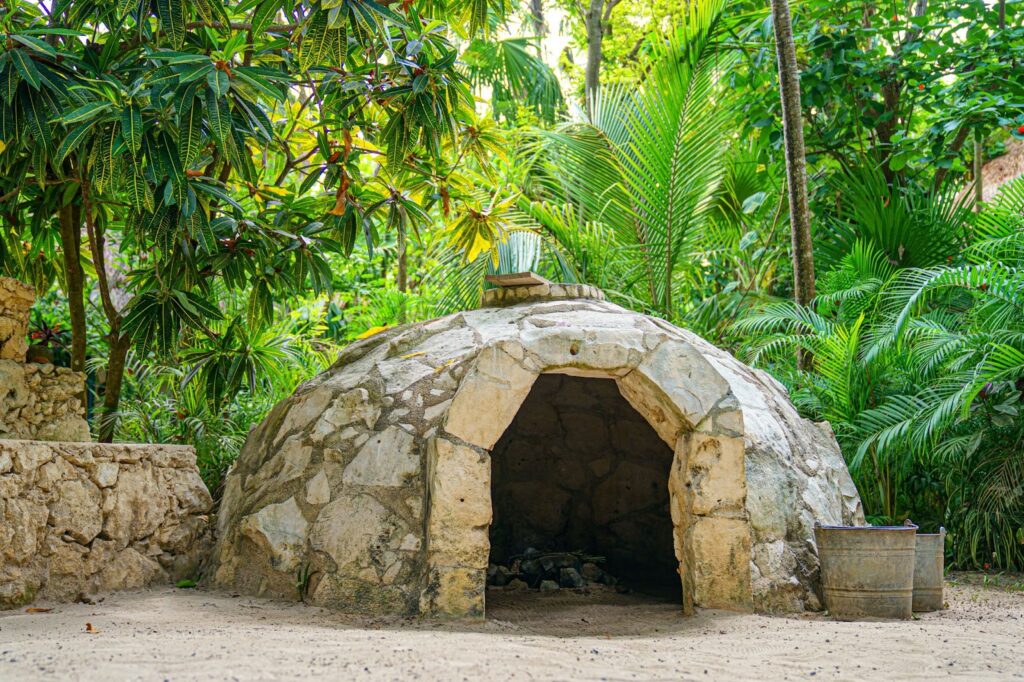
Globally, wellness travelers are seeking deeper, more culturally immersive experiences. In 2026, it’s not just about yoga on the beach—it’s about connection. Tourists are looking for healing practices with meaning, whether that’s sound healing in Bali, forest bathing in Japan, or energy work in the Andes.
Mexico is a hotspot for this kind of travel. Visitors are increasingly drawn to indigenous practices, including:
- Temazcal sweat lodges
- Cacao ceremonies
- Traditional herbal healing
- Ancestral movement and dance
Cities like San Miguel de Allende, Tulum, and Puerto Escondido are attracting global wellness seekers who want to experience these sacred traditions in respectful, guided ways.
Insight: Practitioners who are trained in or collaborating with indigenous healers can create powerful offerings that honor cultural wisdom while educating and guiding international visitors.
Food as Medicine (and Culture)
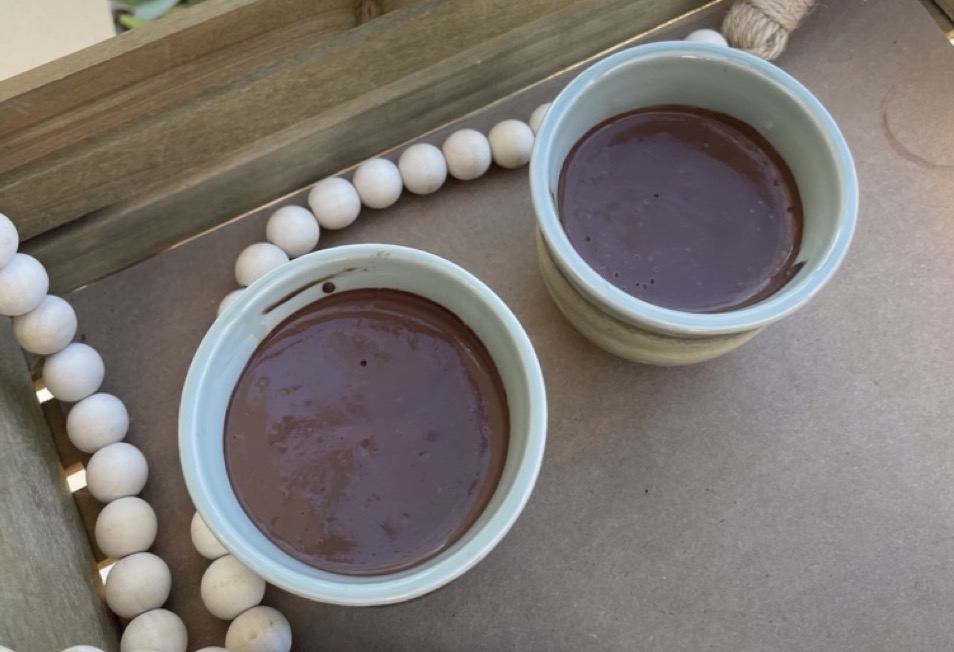
From anti-inflammatory diets to adaptogenic cooking, food is now fully embraced as a healing modality. Globally, we’re seeing a rise in functional foods, plant-based diets, and local superfoods that support both wellness and environmental goals.
Mexico is already ahead of the curve in many ways—traditional Mexican cuisine includes prebiotic foods, anti-inflammatory spices, and fermented items like pulque. Now, we’re seeing a modern revival of ancient ingredients like:
- Amaranth
- Nopal (cactus)
- Chaya
- Blue corn
- Cacao
Wellness cafes and detox retreats are increasingly including nutrient-dense Mexican ingredients in juices, bowls, and teas, combining cultural preservation with modern nutritional science.
Skilled Bodywork & Somatic Therapies
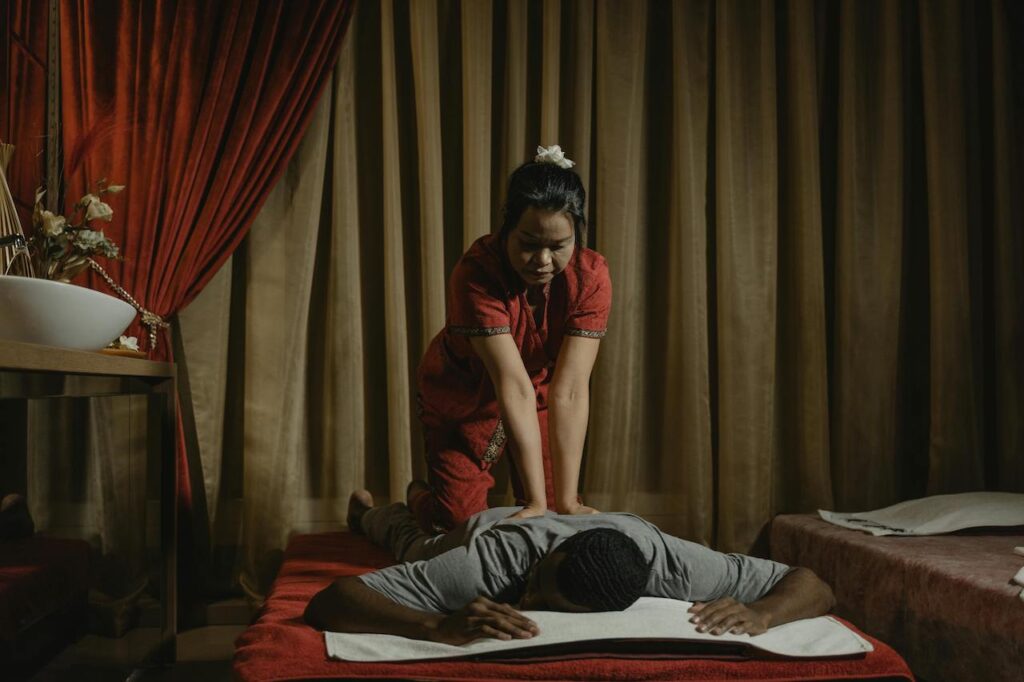
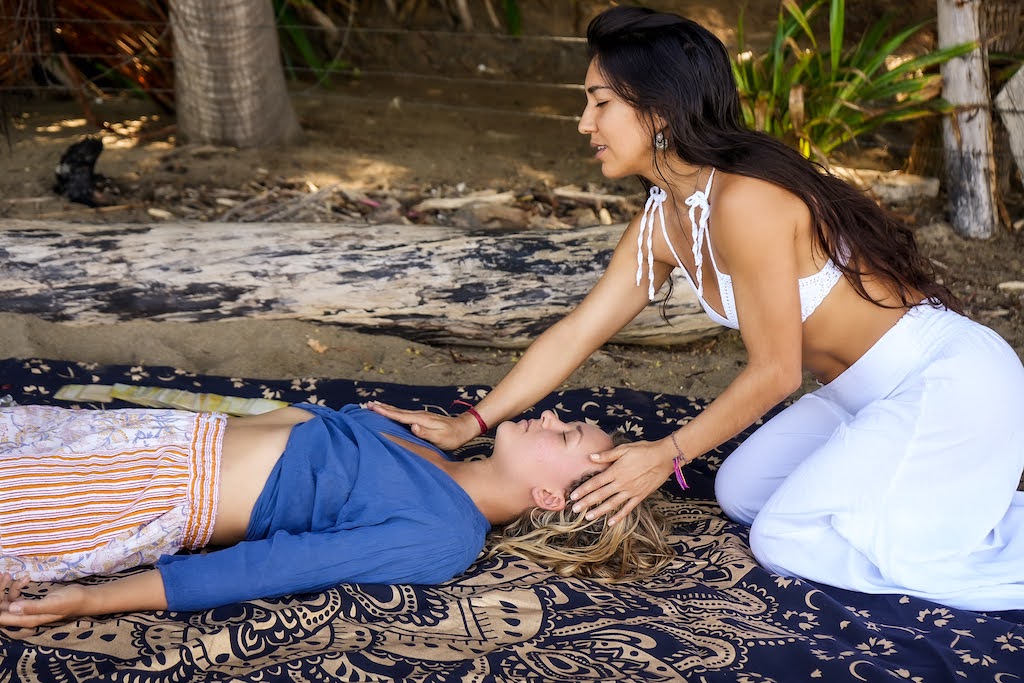
There’s a growing awareness of how trauma, stress, and emotion live in the body. As a result, 2026 sees continued growth in somatic therapies, including:
- Craniosacral therapy
- Myofascial release
- Thai yoga massage
- Energy healing modalities
In Mexico, skilled therapists are combining international training with local knowledge, offering these services to both residents and visiting clients.
Wellness hubs like San Miguel de Allende are leading the way, with multi-disciplinary therapists offering integrative services in beautiful, peaceful environments.
Digital Wellness & Hybrid Care
The post-pandemic shift toward hybrid wellness care—both in-person and online—has now fully matured. Clients expect the option to meet virtually, whether for:
- Health consultations
- Meditation sessions
- Nutritional coaching
- Energy healing
Mexico-based practitioners serving both locals and expats are leveraging WhatsApp, Zoom, and wellness platforms to reach clients beyond their physical region. This flexibility is allowing many professionals to grow sustainable businesses with international reach.
Why Mexico Is Positioned to Lead in 2026
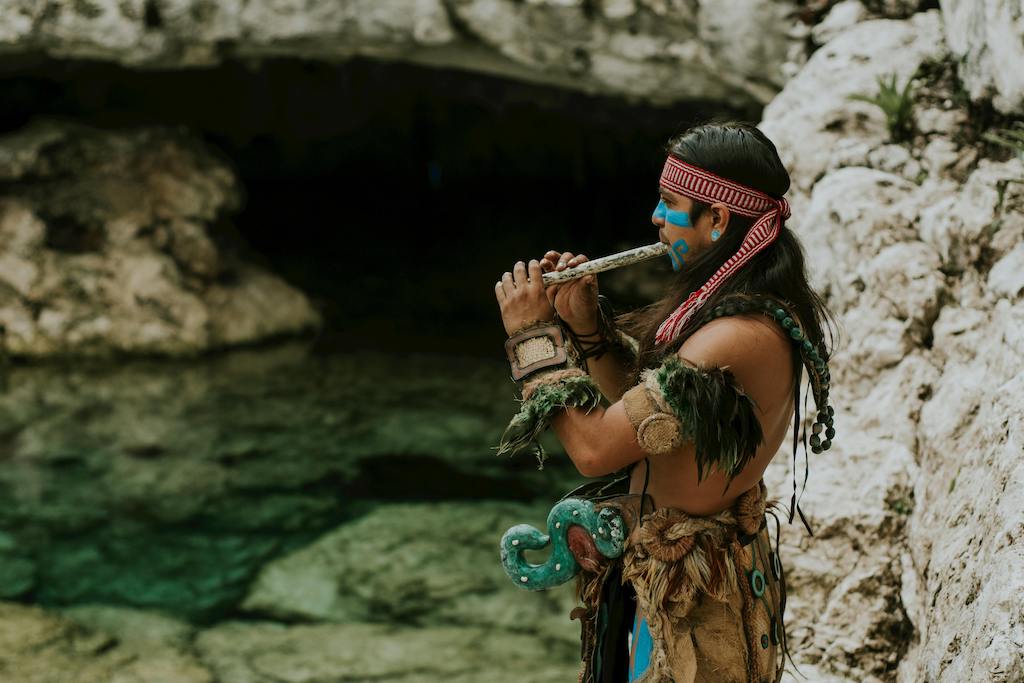
Mexico’s unique blend of:
- Rich ancestral traditions
- Biodiverse healing environments
- Skilled bilingual wellness practitioners
- Affordable, high-quality care
- Growing demand from health-conscious locals and international travelers
…makes it a powerhouse for holistic wellness in 2026 and beyond.
Whether it’s a visitor seeking a sacred ceremony, a retiree in need of gentle bodywork, or a local family learning about herbal remedies—Mexico’s wellness landscape is vibrant, inclusive, and deeply rooted.
Wellness trends in 2026 are not just about products and services—it’s about intention, connection, and impact. As the industry grows, so too does the opportunity to heal not just individuals, but communities and ecosystems.
For wellness practitioners and businesses in Mexico, this is a moment of profound opportunity: to honor the past, embrace innovation, and create experiences that are truly transformational.

