

What You’re Really Hearing in the Silence: The Science (and Soul) of That Mysterious Ringing in Your Ears

You’re lying in bed early in the morning. The world is still. No traffic, no phones, no distractions. Just you… and that faint, high-pitched ringing in your ears. It’s subtle but unmistakable—like a quiet frequency humming at the edge of awareness. You’ve probably wondered: What is that sound? Is it normal? Is something wrong with my ears?
This journal entry explores what that quiet ringing in your ears really is, why it shows up in moments of stillness, and how understanding it can deepen your connection to your body, your mind, and even your inner world.
What Is That Ringing in the Silence?
The sound you hear when everything else is quiet is most commonly known as temporary or spontaneous tinnitus—a perception of sound without any external source. For some, it’s a high-pitched whine; for others, it may feel more like a soft buzzing, whooshing, or tonal vibration.
Contrary to popular belief, you don’t need to have damaged hearing or a medical condition to experience this. In fact, many people with perfectly healthy ears hear this sound when they are in deep silence—such as early mornings, late nights, or during meditation.
The Brain Behind the Buzz: A Peek Into Your Auditory System
When your environment is completely quiet, your brain doesn’t just shut off its auditory processing. Instead, it stays alert, constantly scanning for input. With nothing external to process, your auditory system may start to pick up on its own internal “noise.” This includes the spontaneous firing of auditory neurons or subtle vibrations within the ear itself.
In neuroscience, this is sometimes referred to as your “auditory baseline”—a kind of background hum that becomes noticeable only when the outside world goes still.
The Science of Spontaneous Otoacoustic Emissions (SOAEs)
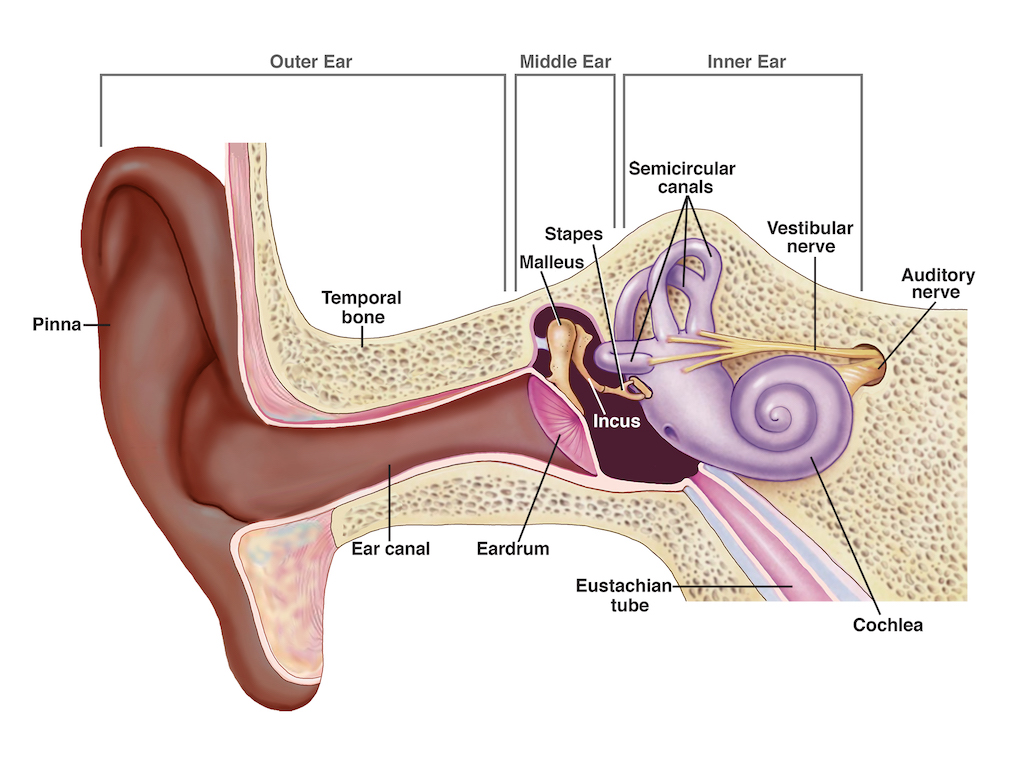
Your ears aren’t just listening devices—they can also make sound.
Inside your cochlea (the spiral-shaped part of your inner ear), tiny hair cells vibrate in response to sound. Sometimes, they move on their own—generating small, measurable sounds known as Spontaneous Otoacoustic Emissions (SOAEs). While you might not hear these consciously most of the time, in moments of quiet or heightened awareness, your brain may detect them.
This is a fascinating example of your body being not just a receiver of sound—but a subtle generator of it.
Why You Hear It Most When Lying in Bed

That quiet moment in bed isn’t just peaceful—it’s neurologically different.
During rest or right after waking, your nervous system is often in a parasympathetic state—calm, still, and more in tune with internal sensations. Your sensory input has slowed, and your brain’s filters aren’t as busy blocking out distractions.
In that soft, open awareness, you may begin to notice things that are always there, but usually drowned out by external noise:
- Your heartbeat
- The rhythm of your breath
- And yes, that mysterious inner ringing
It’s not a malfunction. It’s a moment of deep internal attunement.
When Is It a Concern?

For most people, occasional ringing in your ears in silence is completely normal.
However, if the sound is:
- Persistent and distracting during the day
- Accompanied by hearing loss or dizziness
- Getting louder over time
…it may be a sign of chronic tinnitus, ear damage, or another auditory issue. In these cases, it’s a good idea to consult an audiologist or ENT specialist.
What Ancient Traditions Say About the Inner Sound

While science has named it, ancient traditions have long listened to it.
In yogic and tantric philosophy, the inner ringing is sometimes called the “nada sound” or the “primordial vibration.” It is considered a subtle sound that arises in deep meditation and symbolizes connection to the cosmos or the divine. In some practices, meditating on this sound is a pathway to heightened awareness or spiritual insight.
Similarly, some forms of Buddhist and Vedic meditation teach practitioners to focus on internal sounds—not as something to fix, but as something to witness.
This brings a powerful shift in perspective:
🌀 The sound isn’t a problem. It’s a portal.
Turning Silence Into a Wellness Tool

Instead of trying to eliminate the sound, what if you embraced it?
Here are a few ways to make space for this subtle experience:
1. Use It As a Mindfulness Anchor
When you hear that soft ringing in your ears, try this:
Close your eyes.
Take a deep breath.
Notice the sound without trying to change it.
Let it be a reminder that you’re alive and aware.
2. Create Intentional Silence
Digital noise keeps your auditory system on alert.
- Try 5 minutes a day of true silence (no podcasts, no music, no phone).
- Let your brain rest and recalibrate.
3. Pair It With Breathwork or Meditation
As you settle into stillness, allow the ringing to be part of the sensory landscape. Use it to drop deeper into your body.
The Sound of Stillness Is Not Empty
What you hear in the silence isn’t just random noise—it’s a message.
It’s your nervous system, your hearing pathways, your awareness, and perhaps something more subtle all working together. Moments like these are invitations to listen inward, not with judgment, but with curiosity.
Not everything that’s real is visible—and not everything that matters makes a sound.
Except this one. And it’s worth listening to.

