

What Is Ayurveda? A Beginner’s Guide to Doshas and Healing
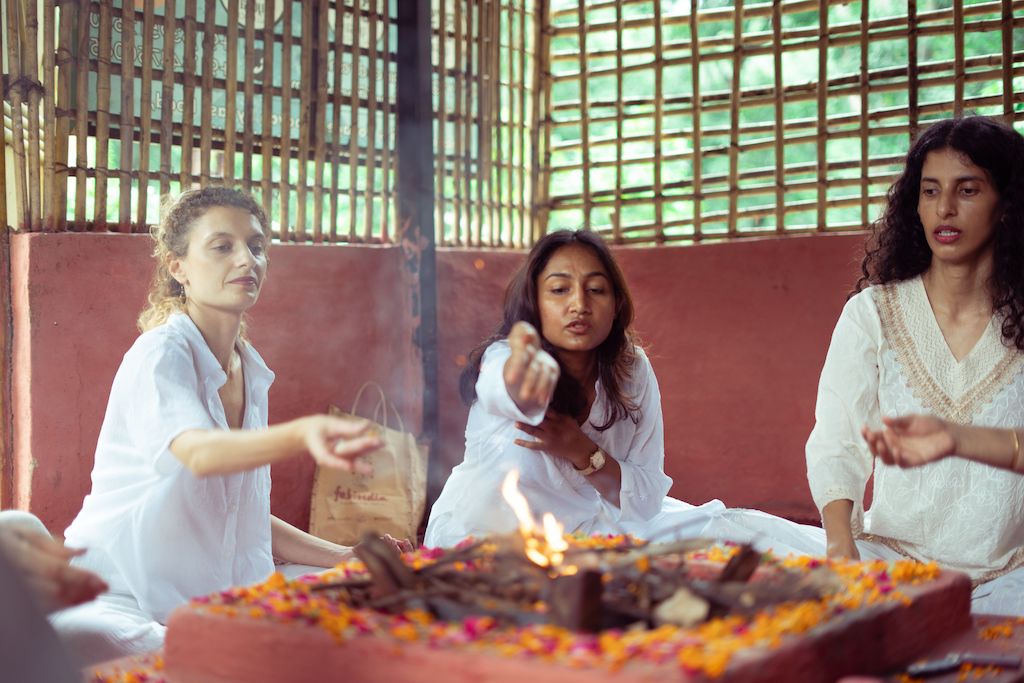
There’s a phrase at the heart of Ayurveda that stops people in their tracks the first time they hear it: svastha — to be established in oneself. Not fixed, not optimized, not performing wellness. Simply settled, in balance, at home in your own body.
That single word captures why this 5,000-year-old system of medicine keeps finding new life in places like Tulum, San Miguel de Allende, Sayulita, and Puerto Escondido. These cities where people arrive already asking the question Ayurveda was built to answer. What does it actually mean to be well?
If you’ve heard the word Ayurveda but felt unclear about what it involves, this guide is for you. No Sanskrit overwhelm. No rigid prescriptions. Just a clear, grounded introduction to one of the world’s oldest healing traditions. And a look at where you can experience it firsthand across Mexico.
What Is Ayurveda?
Ayurveda (pronounced ah-yur-VAY-dah) is a system of medicine that originated in the Indian subcontinent more than 5,000 years ago. The word itself comes from two Sanskrit roots: ayur (life) and veda (knowledge or science). Literally translated: the science of life.
Unlike modern medicine, which tends to focus on disease once it appears, Ayurveda is fundamentally preventive. Its central aim is to maintain balance before illness takes hold — and to restore it when it does. The body is understood not as a collection of separate systems to be treated in isolation, but as a dynamic whole whose health depends on the constant interplay between the physical, the mental, and the spiritual.
Ayurveda is one of the world’s oldest continuously practiced medical systems, and it has never stopped evolving. Today it operates alongside modern medicine in clinical settings across India. It is recognized by the World Health Organization as a traditional medicine system. What makes it extraordinary is its specificity: Ayurvedic practice is not one-size-fits-all. It asks, first and always, who is this person? — and builds its recommendations from there.
The Five Elements and the Three Doshas of Ayurveda
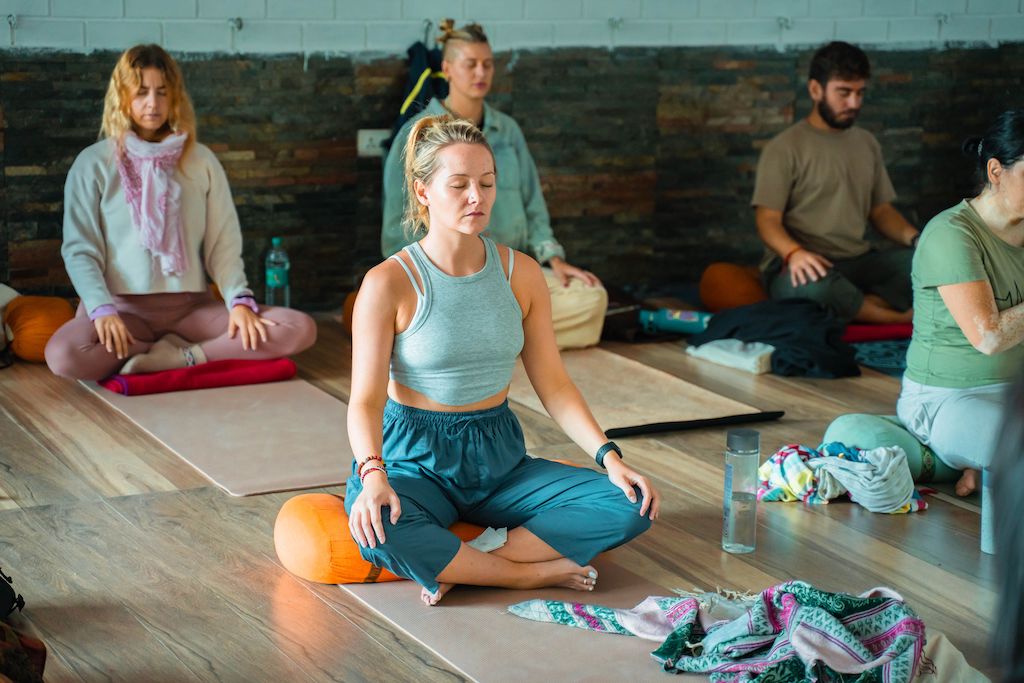
To understand Ayurveda, you need to understand its foundational framework. The idea that everything in nature, including the human body, is composed of five elements.
Those elements are ether (space), air, fire, water, and earth. In the body, these elements combine in different proportions to create three fundamental energies, called doshas. Your constitution, or prakriti, is the particular ratio of these doshas you were born with. Your current state, or vikriti, reflects how that constitution has shifted over time in response to diet, stress, sleep, environment, and season.
The three doshas are:
VATA — AIR AND ETHER
Vata is the energy of movement. Light, quick, dry, and cool, it governs everything that flows and circulates: breath, circulation, nerve impulses, creativity, and speech. People with dominant Vata tend to be naturally slender, enthusiastic, and imaginatively expressive. When out of balance, they become anxious, scattered, exhausted, and prone to dryness in body and mind.
Vata imbalances often look like: insomnia, constipation, worry, cold hands and feet, racing thoughts, or difficulty staying grounded.
Vata is balanced by: warmth, routine, nourishing foods, oil massages, stillness, and rest.
PITTA — FIRE AND WATER
Pitta is the energy of transformation. Sharp, hot, oily, and intense, it governs metabolism, digestion, ambition, and intelligence. People with dominant Pitta tend to be focused, driven, and precise. Natural leaders with strong appetites for both food and achievement. Out of balance, they run hot: irritability, inflammation, perfectionism, and burnout.
Pitta imbalances often look like: heartburn, skin rashes, anger, excessive heat, overworking, or difficulty relaxing.
Pitta is balanced by: cooling foods, time in nature, moderate exercise, releasing control, and practices that invite surrender.
KAPHA — EARTH AND WATERarth and Water
Kapha is the energy of structure and stability. Heavy, slow, cool, and moist, it governs the body’s form: lubrication of the joints, tissue building, immunity, and emotional steadiness. People with dominant Kapha tend to be warm, patient, and deeply loyal — with a natural capacity for endurance. Out of balance, they become sluggish, possessive, and prone to stagnation.
Kapha imbalances often look like: weight gain, excessive sleep, depression, congestion, attachment, or low motivation.
Kapha is balanced by: movement, warmth, stimulating foods and experiences, lighter eating, and embracing change.
Most people are a combination of two doshas — called dual-doshic — with one typically dominant. Tridoshic constitutions (balanced across all three) exist but are relatively rare. Knowing your prakriti is the starting point for everything in Ayurveda: diet, daily routine, seasonal practices, exercise, and which therapies will most benefit you.
Core Ayurveda Practices
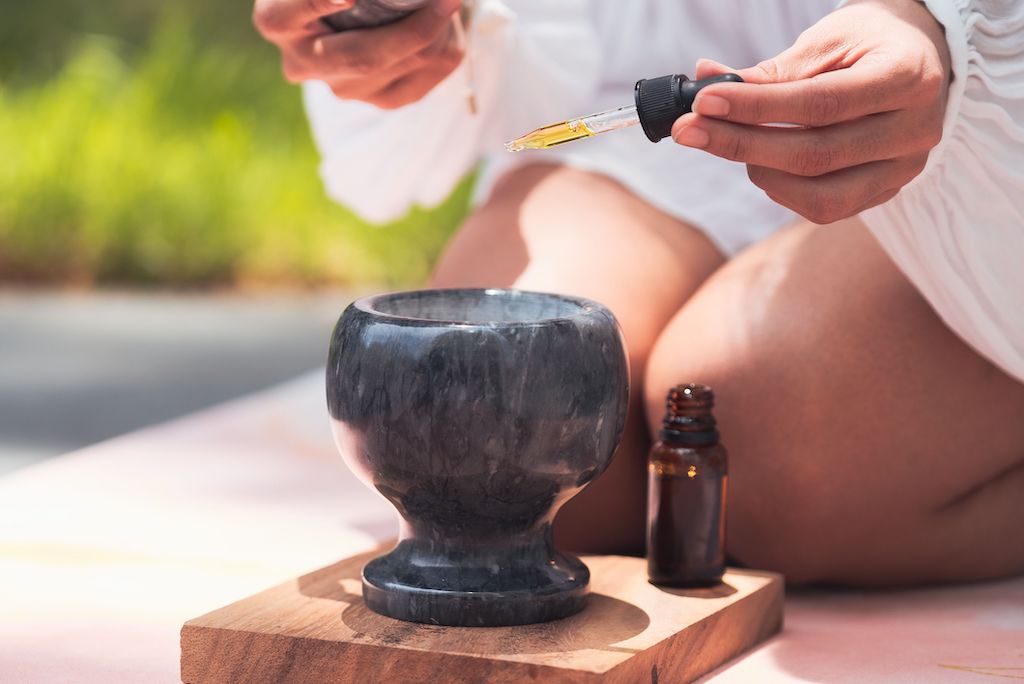
Ayurveda is as much a way of living as it is a system of treatment. Here are the practices most commonly encountered in a modern Ayurvedic context:
DINACHARYA (DAILY ROUTINE)
One of Ayurveda’s most powerful tools is consistency. Rising at the same time each day, tongue scraping upon waking, self-massage with warm oil (abhyanga), mindful eating, and early sleep all work together to keep the doshas in rhythm with nature’s cycles.
AHARA (FOOD AS MEDICINE)
Ayurveda categorizes food not by macro ratios but by its qualities — its taste (rasa), energy (virya), and post-digestive effect (vipaka). Eating for your dosha means choosing foods that counter your imbalances, eating at regular times, and treating the digestive fire (agni) as the seat of health.
ABHYANGA (WARM OIL MASSAGE)
Perhaps the most immediately accessible Ayurvedic therapy, abhyanga involves the application of warm, herb-infused oil to the body in long, rhythmic strokes. It calms the nervous system, stimulates lymphatic flow, nourishes the skin, and grounds Vata with remarkable efficiency. For many people, a single session is their introduction to the felt sense of what Ayurveda actually does.
SHIRODHARA
A stream of warm oil poured in a continuous flow over the forehead and third eye. Shirodhara is deeply calming to the nervous system — used to treat insomnia, anxiety, chronic stress, and mental fatigue. The effect is difficult to describe; most people report entering a state unlike ordinary relaxation or sleep.
PANCHAKARMA (DEEP DETOXIFICATION)
The cornerstone of Ayurvedic cleansing, Panchakarma is a multi-day protocol designed to draw accumulated toxins (ama) out of the tissues and eliminate them from the body. It involves five primary actions, including therapeutic enemas, medicated oils, herbal treatments, and purgation, administered under the guidance of a trained practitioner. It is not a casual cleanse; it is a profound reset that requires dedicated time and proper supervision.
MARMA THERAPY
Marma points are vital energy junctions in the body — similar in concept to acupressure points. Gentle stimulation of specific marma points through touch or warm oil can release blocked energy, reduce pain, and support healing in corresponding organs and systems.
YOGA AND PRANAYAMA
In Ayurveda, yoga is not a fitness class. It is a complementary practice designed to support the body’s constitutional needs. Different doshas benefit from different styles of movement. Vata from grounding and restorative practices, Pitta from cooling and non-competitive flows, Kapha from vigorous and energizing sequences. Pranayama (breathwork) is similarly doshic, with specific techniques prescribed to balance different energies.
Why Mexico Is a Natural Home for Ayurveda
The places where Ayurveda takes root tend to be places that already hold an understanding of the body as sacred. Places where healing has always been relational, plant-based, and rooted in nature’s cycles. Mexico has that understanding in abundance.
Tulum, Sayulita, Puerto Escondido, and San Miguel de Allende each draw a community of practitioners and seekers for different reasons; the jungle, the ocean, the mountains, the colonial quiet. But what they share is a culture of intentional living and a wellness landscape deep enough to support serious healing work, including the kind that takes days, not hours.
Across all four EnForma destinations, Ayurvedic practitioners have made their homes and built their practices. Here’s where to find them.
Ayurvedic Practitioners in EnForma’s Mexico Destinations
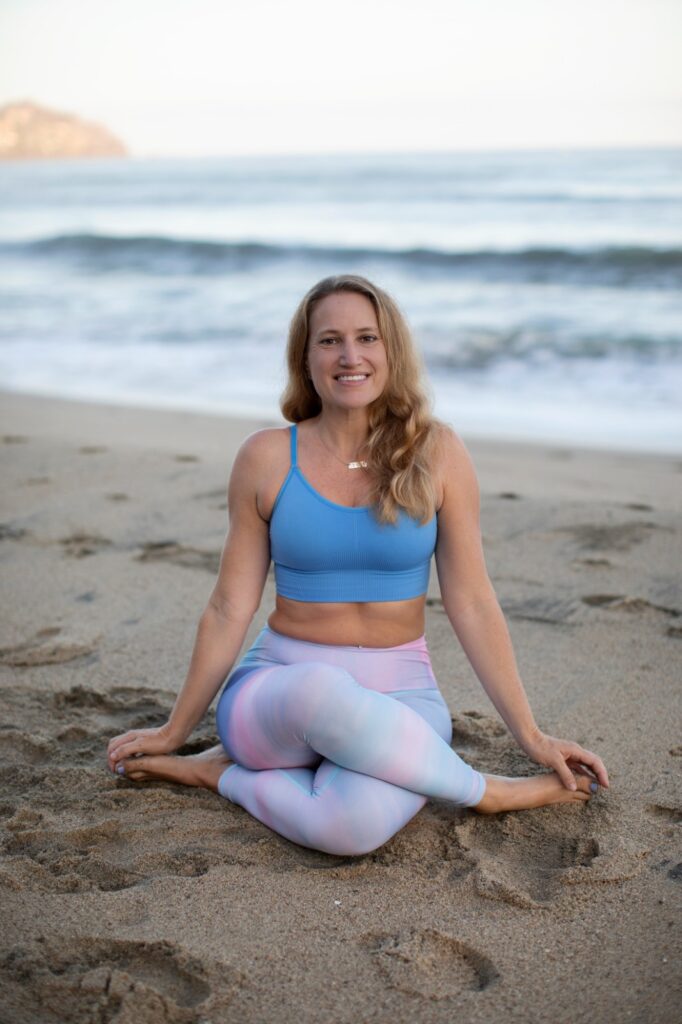
Sayulita — Chel Rogerson
Chel Rogerson is an e-RYT 500 certified yoga instructor, Reiki Master, and meditation guide with more than 15 years of experience in movement, mindfulness, and energy healing. Her practice is rooted in the understanding that yoga and Ayurveda are inseparable traditions. Her work with clients reflects that integration across private sessions, group classes, sound healing ceremonies, and teacher trainings.
Chel specializes in Ayurveda alongside chakra balancing, yoga nidra, and energy work, bringing constitutional awareness into how she designs sessions for individuals. She is also the co-founder of EVOKA Sayulita Yoga School, offering 200-hour yoga teacher trainings that weave Ayurvedic philosophy into the curriculum alongside physical practice.
For those arriving in Sayulita wanting a starting point for Ayurvedic self-understanding, particularly through the lens of yoga and energy healing, Chel’s work offers a grounded and deeply experienced entry point.
Find Chel on the EnForma Sayulita directory → sayulita.enformawellness.com/chel-rogerson
Puerto Escondido — Rebecca Huck / Svastha
The name of Rebecca’s practice says it all. Svastha — the Sanskrit word for perfect health, literally meaning “to be established in oneself” — reflects the philosophy at the center of her work. Rebecca is an Ayurvedic practitioner, massage therapist, and holistic lifestyle coach with over 20 years on her own healing journey, based permanently in Puerto Escondido, Oaxaca.
She offers the full range of Ayurvedic therapies in person. Doshic consultations, warm oil massages personalized to constitutional type, Shirodhara, Panchakarma support (including a guided mini-Panchakarma from home), Reiki, and Ayurvedic mindset and lifestyle coaching. She also offers private retreat packages at her home for clients who want to undergo a full cleanse with dedicated guidance and daily support throughout.

Rebecca’s approach is warm, unhurried, and profoundly educational. Clients leave her sessions not just treated, but genuinely more aware of their own bodies and how to care for them long after they’ve returned home.
Find Rebecca on the EnForma Puerto Escondido directory → puertoescondido.enformawellness.com
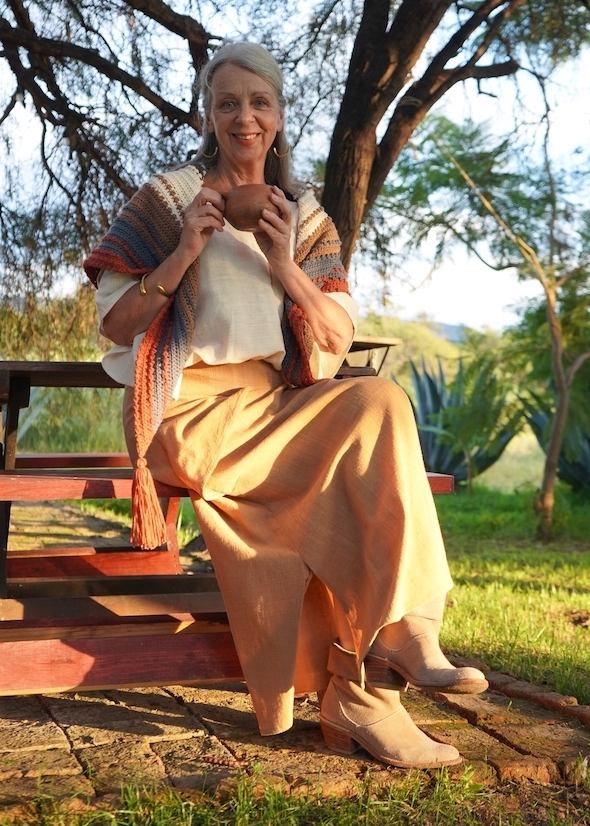
San Miguel de Allende — Usha Leason
Usha Leason has been practicing holistic wellness for over 30 years. Originally from England, she has woven together a lifetime of study into a practice she calls YOGAveda. This is her expression of Yoga and Ayurveda as an integrated path toward balance, self-knowledge, and vitality. She is a certified Ayurvedic Health Coach and Practitioner, yoga teacher, and health coach with a particular focus on women’s wellness.
Her work in San Miguel de Allende encompasses Ayurvedic consultations (including full dosha assessment and personalized wellness planning), Ayurvedic nutritional coaching, women’s Abhyanga massage, and guided detox and cleansing programs.
Her approach is warm, intuitive, and deeply tailored — she works with each client’s unique constitution and life circumstances to develop practical recommendations that integrate into real daily life. For women navigating burnout, hormonal changes, digestive imbalances, or a desire to reconnect with their bodies on a foundational level, Usha’s practice offers both the knowledge and the compassion to support that process.
Find Usha on the EnForma San Miguel de Allende directory → sanmigueldeallende.enformawellness.com/usha-leason
How to Begin : A Few Practical Notes for the Curious
Start with a consultation. Before seeking specific treatments, a foundational Ayurvedic consultation — ideally with a trained practitioner rather than an online quiz — will give you a clearer picture of your prakriti and current imbalances.
Go slowly. Ayurveda is not a detox trend or a weekend experiment. Its deepest benefits accumulate through consistent small changes: a new morning practice, a shift in eating habits, a seasonal cleanse once or twice a year. The system rewards patience.
Notice the season. Ayurveda is profoundly attuned to seasonal cycles. Each season has a dominant doshic quality, and adjusting your diet, routine, and self-care accordingly is one of the most accessible ways to begin practicing in everyday life. In the heat of a Mexican summer, cooling Pitta-balancing foods and practices take on real relevance.
Trust the specificity. What works for one person may genuinely be wrong for another. This isn’t a limitation of Ayurveda — it’s its greatest strength. The moment a practitioner looks at you and says this is what your body needs, specifically, something in you will recognize the truth of it.
Discover Ayurveda Wellness Across Mexico
The EnForma Wellness directory connects you with trusted practitioners across Sayulita, Tulum, Puerto Escondido, and San Miguel de Allende — including Ayurvedic healers, yoga teachers, massage therapists, and holistic health coaches.
Whether you’re new to Ayurveda or deepening a practice that’s already begun, Mexico’s wellness destinations offer rare access to practitioners who bring both serious training and genuine vocation to this ancient science.
Explore the EnForma directory and find your practitioner: enformawellness.com

